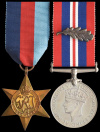
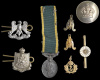
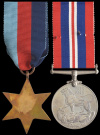
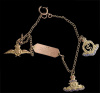
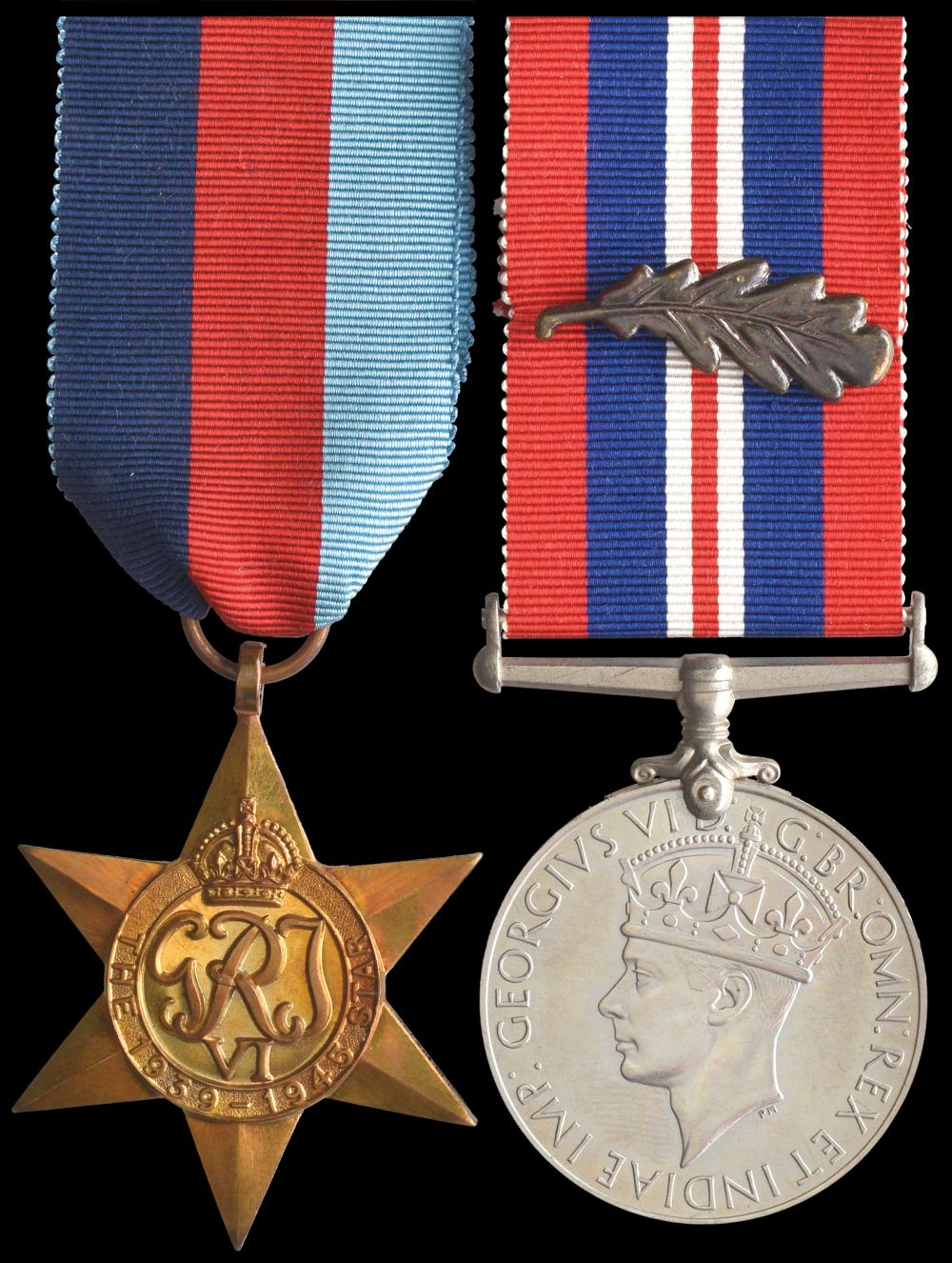
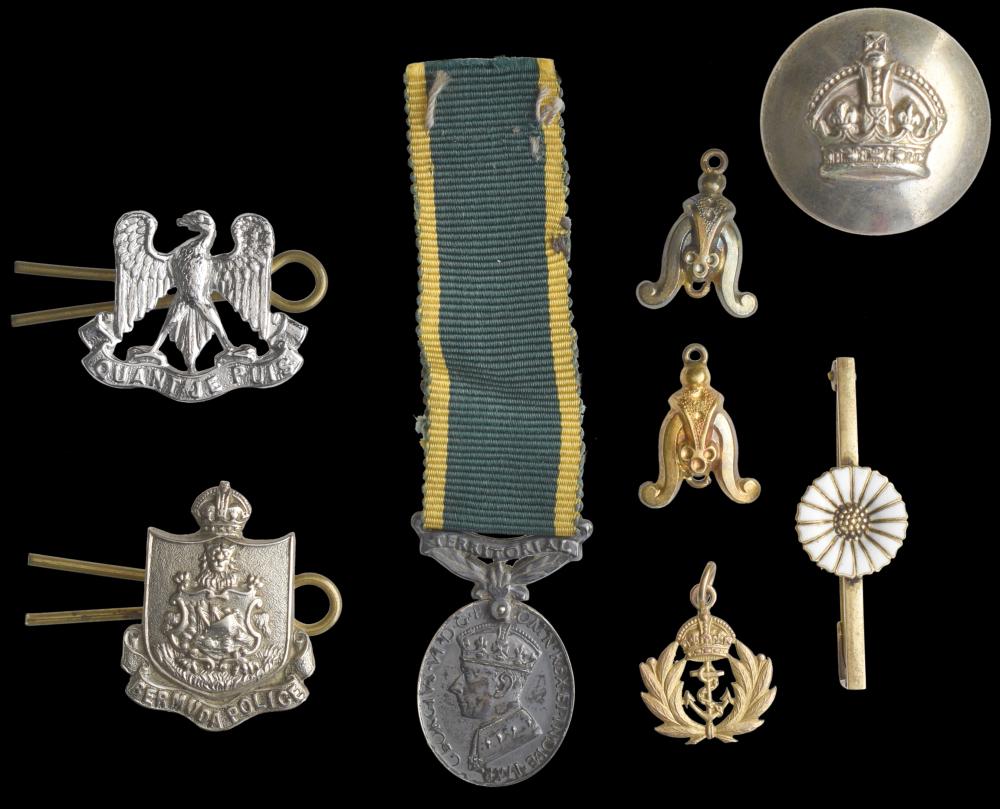
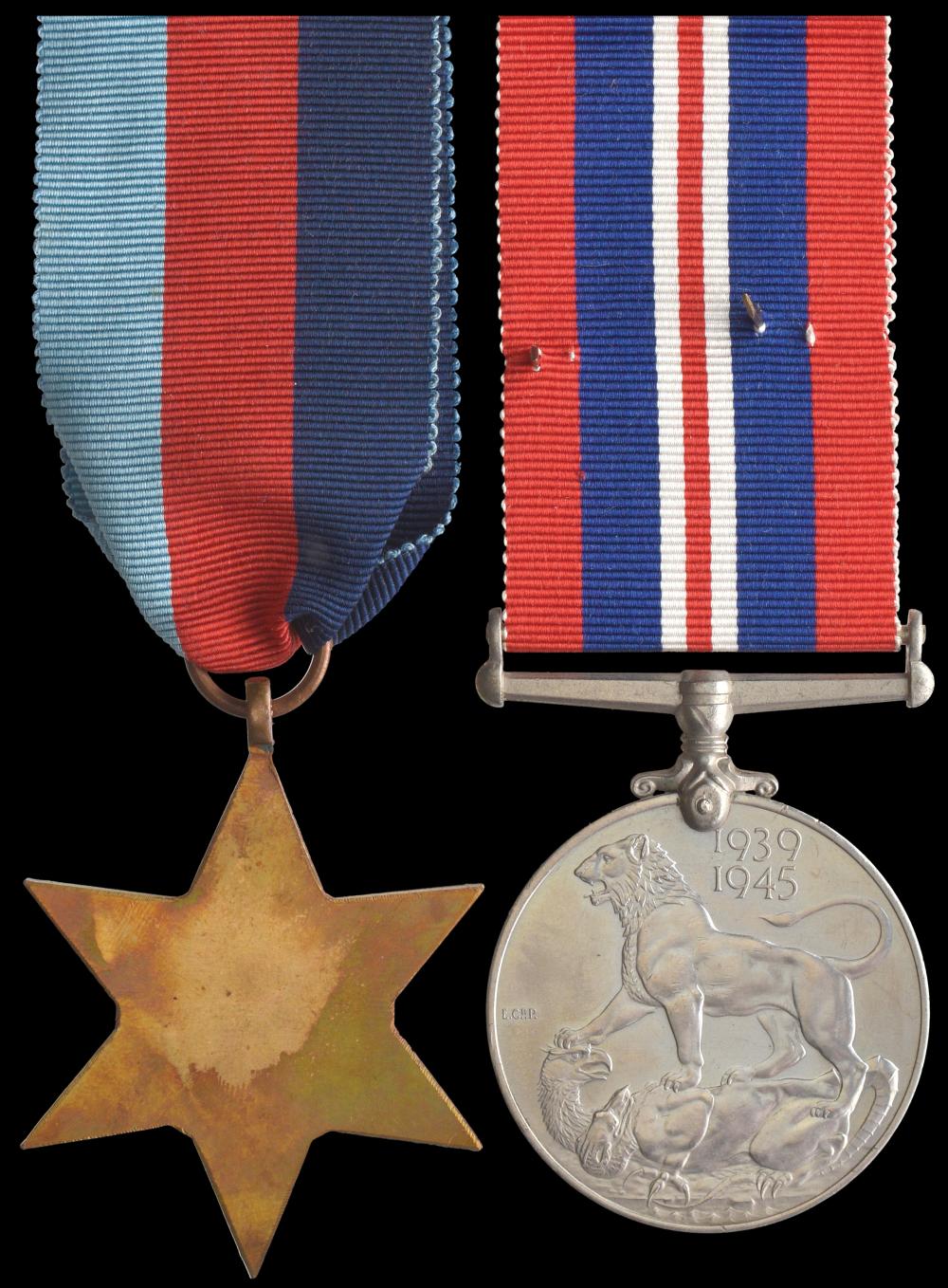
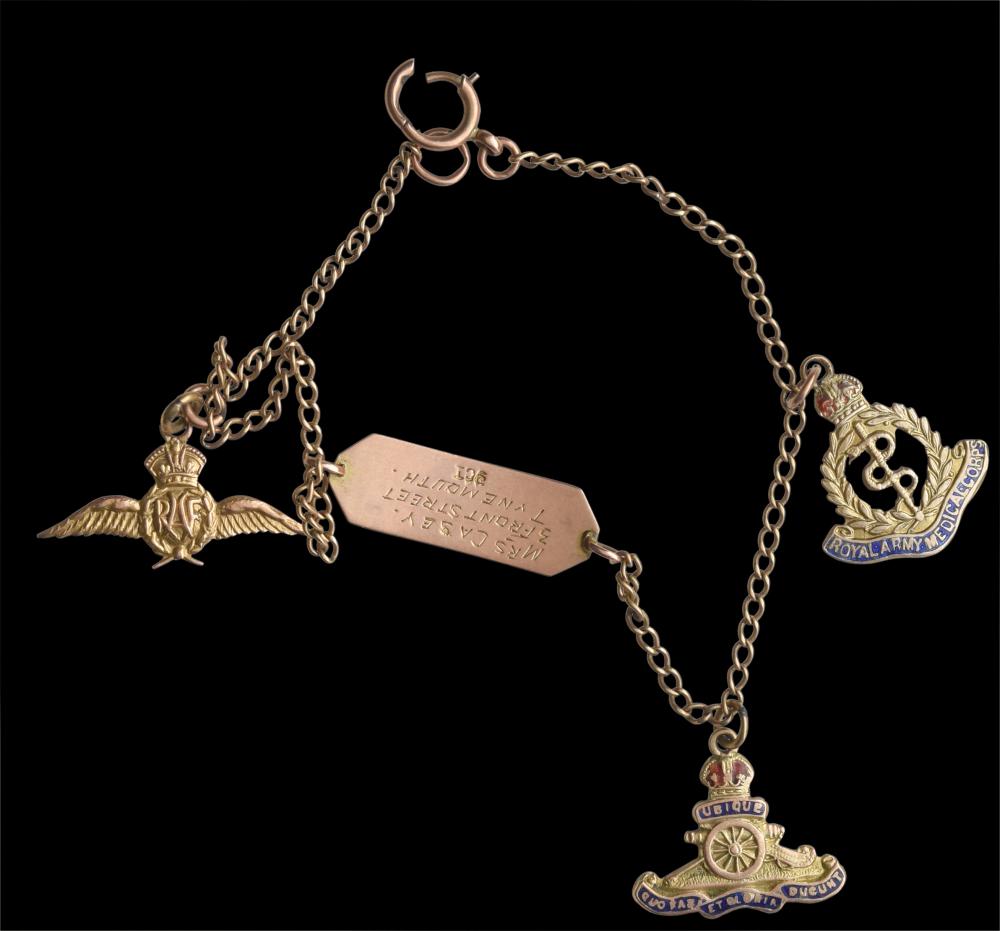
The Rare WW2 ‘Great Escape Posthumous M.i.D.’ & Casualty Pair awarded to Flight Lieutenant Michael J. Casey, Royal Air Force. Having acted as 'Treasurer' in charge of filing & forge documents in the P.O.W. Camp, Casey was one of the 76 men to famousl
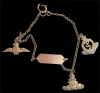
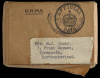
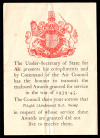
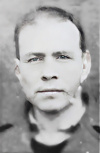
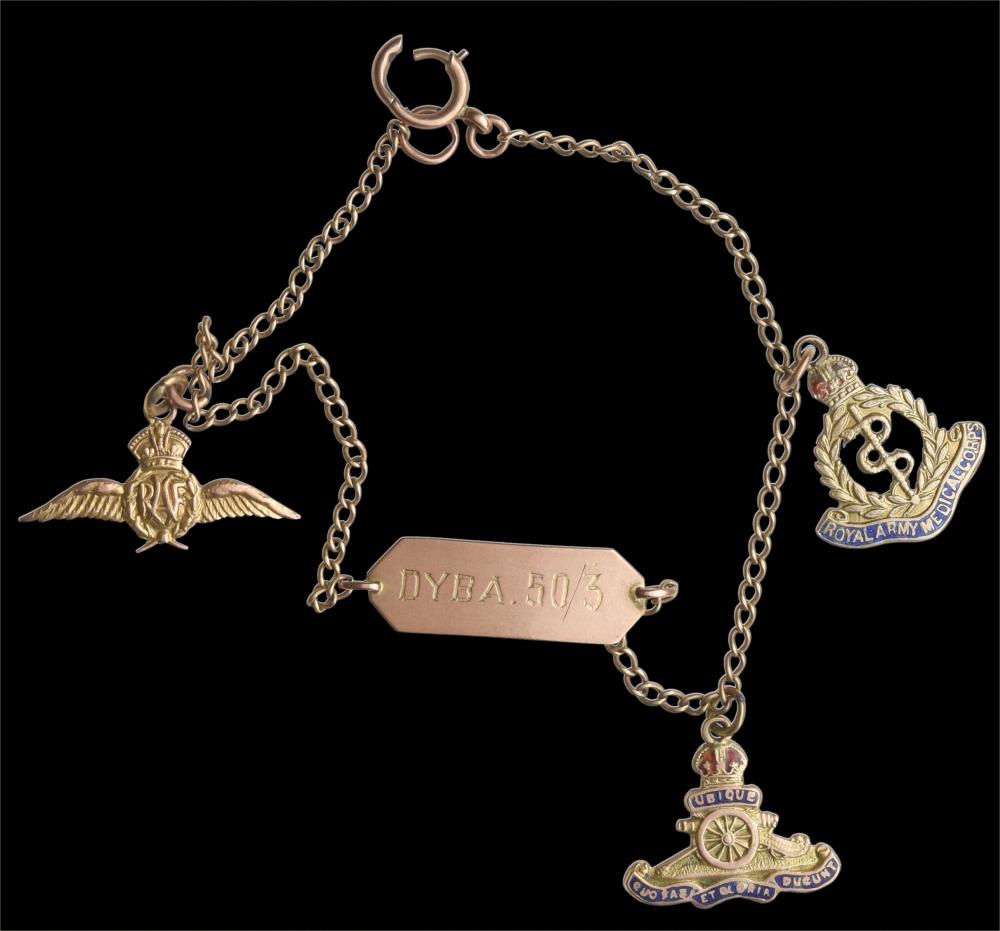
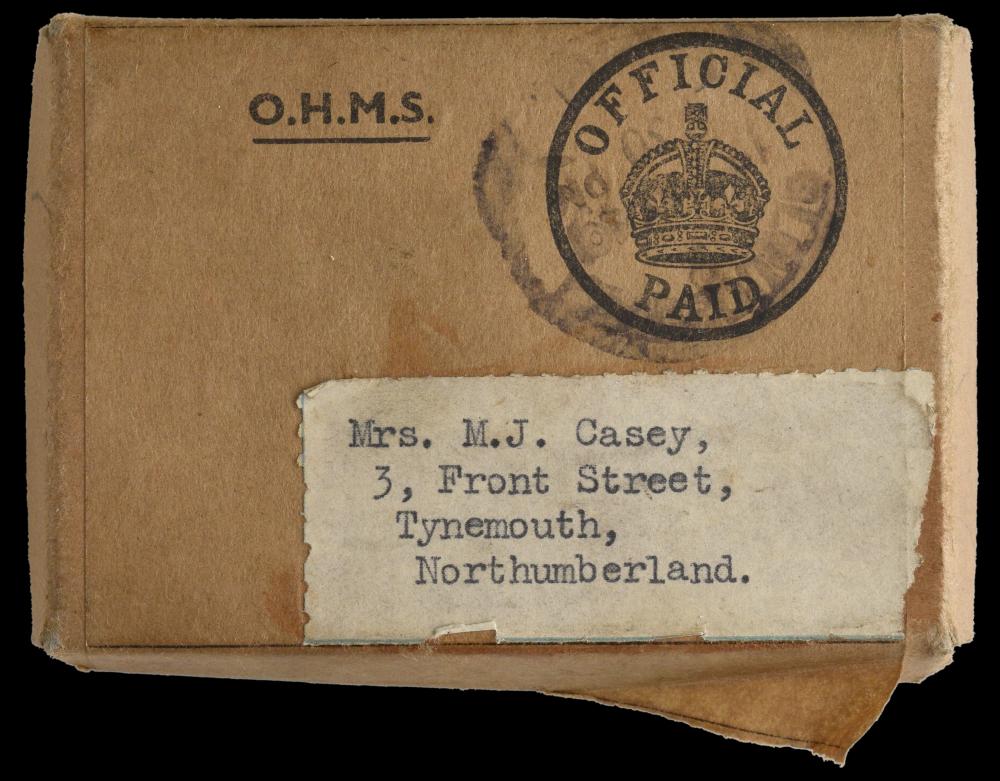
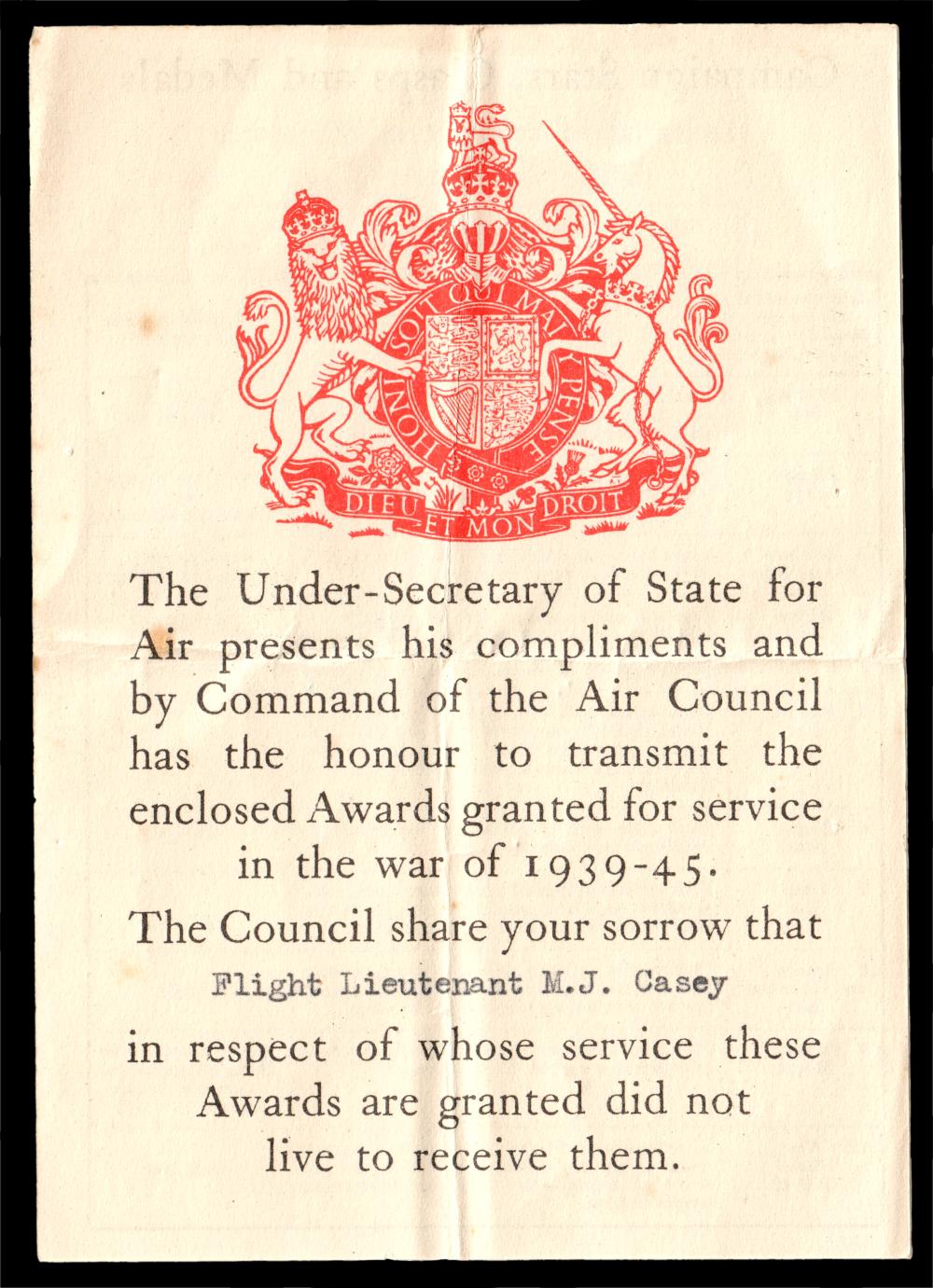
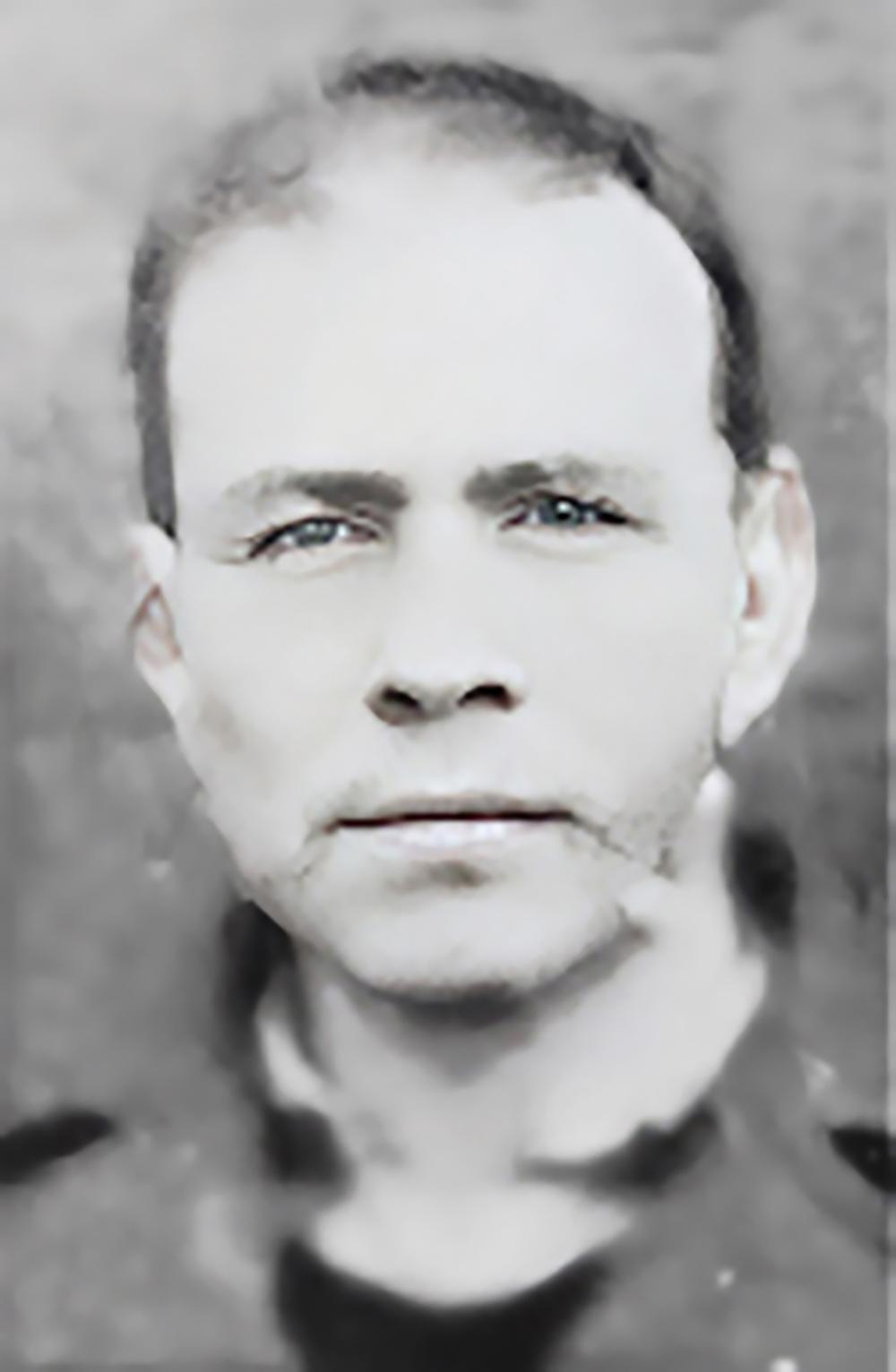
The Rare WW2 ‘Great Escape Posthumous M.i.D.’ & Casualty Pair awarded to Flight Lieutenant Michael J. Casey, Royal Air Force. Having acted as 'Treasurer' in charge of filing & forge documents in the P.O.W. Camp, Casey was one of the 76 men to famously escape from Stalag-Luft III through the underground tunnel nicknamed ‘Harry’. Tragically, however, he was also one of the 50 men subsequently recaptured after the escape, and then executed by the Gestapo on the personal orders of Adolf Hitler after their recapture, comprising: 1939-45 Star; War Medal, 1939-45; Pair as originally issued within named O.H.M.S. box (Mrs. M. J. Casey, 3, Front Street, Tynemouth, Northumberland’), with bronze M.i.D. oak leaf, original named transmission slip, and a small 9ct gold charm bracelet, some charms now detached, marked ‘Mrs Casey, 3 Front Street, Tynemouth’, and other small items of insignia, medals mint state as issued, and a very rare ‘Great Escape’ casualty pair (lot) M.i.D.: London Gazette: 8 June 1944Flight Lieutenant Michael J. Casey was born on 19 February 1918 in Allahabad, Northern India (in modern-day Pakistan), the son of Inspector General Michael Lewis Casey, Indian Police Service, of Hollywood, County Kildare, Ireland. Educated at Clongowes Wood College, and then at Stonyhurst, where he was known to be ‘popular at school, both for his athletic prowess in boxing, rugby and cricket, and for his moral strength, manifested in his attention to religious duties’ (‘A Gallant Company – The Men of the Great Escape’ by Jonathan Vance, refers). After leaving school in July 1936 he applied for a short-service commission in the Royal Air Force.Upon the outbreak of war in September 1939, Flight-Lieutenant Casey was serving with 57 (Blenheim) Squadron, which was posted to France. On 16 October 1939, Casey and his crew were undertaking a reconnaissance operation in their Blenheim-1 between Wesel and Bocholt, Germany, when they were spotted by an enemy fighter. Casey took steps to ‘shake’ the chasing enemy, flying through cloud and then at low altitude, until the fighter finally caught his aircraft, forcing it to crash land in a field. Casey and his aircrew were then captured by German ground forces and taken away as prisoners of war.Initially taken to Stalag Luft I at Barth (where he first met Squadron Leader Roger Bushell), he and other men – known as ‘ghosts’ - deliberately avoided roll calls and hid from the German guards whenever possible in order to tie up enemy resources. He also agitated and petitioned for the right for all Catholic members of the P.O.W. camp to gain regular access to priest for weekly mass, which was then granted. Swiftly gaining a reputation as a troublemaker and one of the ‘bad lads’ of the camp, along with Bushell, Casey was then sent to the vast and supposedly ‘escape proof’ camp for airmen at Stalag Luft III in Lower-Silesia, know famous for what became known as ‘The Great Escape’.Held in the North Compound, plans were soon devised to enact an escape at the first possible opportunity. With three escape tunnels underway (named ‘Tom’ ‘Dick’ and ‘Harry’), ‘Tom’ was discovered by enemy guards, and ‘Dick’ became used for the storage of spoil from the other tunnels, and for documents and other contraband. In fact, Casey himself took up the role of ‘Treasurer’ and head of filing, ensuring the safe storage of their various forged documents. It was, therefore, from ‘Harry’ that they would make their escape. On the night of 24-25 March 1944 Casey and 75 other men escaped through the tunnel and beyond the camp border, emerging into the night, although the remainder of the original 200 men were caught and prevented from leaving. A huge manhunt then began, as Casey and another escapee fled south, dressed in civilian clothes, but were stopped near Gorlitz the next day – where local police arrested them after their documents failed to pass the test. On 31 March, six of the recaptured prisoners (Casey, Cross, Leigh, Wiley, Hake and Pohe) were taken from Gorlitz by the Gestapo, and soon after executed on the express orders of Adolf Hitler and cremated in Gorlitz. In total 50 of the escapers were executed – or indeed murdered - in this way, and the Gestapo officers involved were later tracked down, arrested and tried for their role in these executions.Flight Lieutenant Casey’s conspicuous bravery as a P.O.W. during these events was later recognised with the award of a posthumous mention in despatches.
- The cost is converted to USD at the rate of 1 GBP = 1.2907 USD on 2024-07-24.
-
Sign in to view
Lot number
-
Sign in to view
Estimate
-
2024-07-24
Sale date
-
Sign in to view
Realised price
-
Sign in to view
Opening price
-
Sign in to view
House name
-
Sign in to view
Auction sale name
-
Sign in to view
Location
-
Categories
Sign in to view -
Tags
Sign in to view